A vessel that remains offshore for days or weeks has to do more than transport people. It must support a small working community while remaining ready for technical operations every day. For offshore wind maintenance, this means combining marine performance with accommodation, storage, workshops, medical capability, transfer systems, and dependable utilities. Endurance changes almost every design decision.
Accommodation Becomes Part of Productivity
Technicians may work demanding shifts at height and in changing weather. When they return onboard, they need quiet cabins, reliable ventilation, good food, clean changing facilities, and places to recover. Poor sleep can reduce concentration and increase risk the next day. Designers therefore pay attention to cabin location, noise paths, vibration, lighting, and the separation of rest spaces from machinery and busy work areas.
Stores Must Support an Uncertain Worklist
Offshore maintenance rarely follows a perfect schedule. Faults appear, parts are consumed faster than expected, and weather can change the order of turbine visits. Storage therefore needs to be organized for both planned jobs and unexpected repairs. Shelving, lifting aids, inventory zones, hazardous-material lockers, and workshop access all help technicians find and prepare equipment without wasting time.
Fresh Water, Waste, and Hotel Loads Grow With Endurance
Longer offshore stays increase demand for freshwater generation or storage, sewage treatment, laundry, galley services, HVAC, and waste handling. These hotel loads influence electrical generation and machinery sizing. A design that focuses only on propulsion may underestimate how much power is required to support dozens of people around the clock.
Motion Can Determine Whether Crews Are Ready to Work
Seakeeping matters even when the vessel is not transferring technicians. Excessive motion can make rest difficult and cause seasickness, reducing the number of people fit for work. Hull form, stabilization, loading condition, and route planning all contribute. Designers may evaluate the operating area and expected sea states specifically from the perspective of habitability, not just structural safety.
The SOV Vessel Is Also a Technical Base
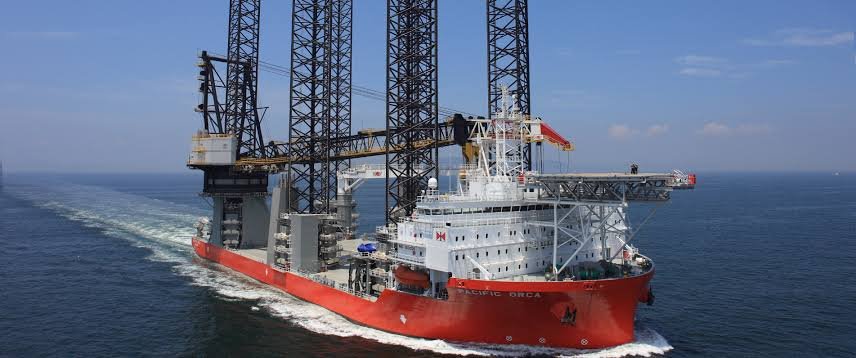
A sov vessel typically supports daily transfer operations, onboard maintenance preparation, remote coordination, and equipment handling. Workspaces may include offices, control rooms, workshops, changing areas, and transfer lobbies. Their arrangement should create a logical flow from cabin to preparation to transfer point, while keeping dirty work and heavy equipment away from living spaces.
Reliability Matters More When Port Is Far Away
A minor system failure that is easy to fix alongside can become a major disruption offshore. Redundant utilities, accessible spares, maintainable machinery, and fault-tolerant power arrangements help protect the campaign schedule. The objective is not to duplicate every component, but to identify systems whose loss would force the vessel to return to port or stop safe transfer operations.
Endurance Is a Whole-Vessel Design Problem
Long-stay offshore service is successful when technicians can live, rest, prepare, transfer, and work with minimal friction. That outcome depends on many systems that are easy to evaluate separately but difficult to coordinate: accommodation, seakeeping, storage, hotel services, dynamic positioning, transfer equipment, and technical redundancy. Designing them as one operational ecosystem is what turns a ship into an effective offshore maintenance base.
Read Also: How Pneumatic Hose and Fittings Affect Airflow, Pressure and Equipment Performance
A Final Practical Consideration
The human side of endurance also deserves periodic review. Crew and technician feedback can reveal whether storage is in the right place, transfer preparation creates bottlenecks, or rest areas are exposed to unexpected noise. Small changes during refits can materially improve the experience of people who live and work onboard for long rotations.
Medical and Welfare Spaces Matter on Long Rotations
When a vessel remains offshore for extended periods, minor illness or injury cannot always be handled with an immediate return to port. A properly arranged medical space, clear access for casualty movement, suitable communications, and trained personnel support onboard response. Welfare matters too. Reliable internet, recreation areas, daylight, and some separation between work and rest can improve morale during long campaigns, particularly when weather delays the planned return schedule.
Crew Change Strategy Influences Layout
Technicians may arrive by port, helicopter, or another vessel depending on the project. Luggage, personal protective equipment, changing rooms, muster procedures, and onboarding routes all create movement through the ship. If those flows cross cargo handling or workshop areas unnecessarily, transfers become slower and less comfortable. Thinking about crew change as a repeated operational process helps designers position lockers, reception points, transfer lobbies, and circulation routes more logically.
Provisioning Strategy Also Affects Endurance
Food, consumables, cleaning supplies, workwear, and everyday spares occupy significant volume when many people remain offshore for weeks. Cold stores, dry stores, waste areas, and internal handling routes should be sized around the campaign schedule rather than only the crew count. Efficient provisioning reduces the need for unscheduled port calls and prevents operational stores from overflowing into corridors or technical workspaces.