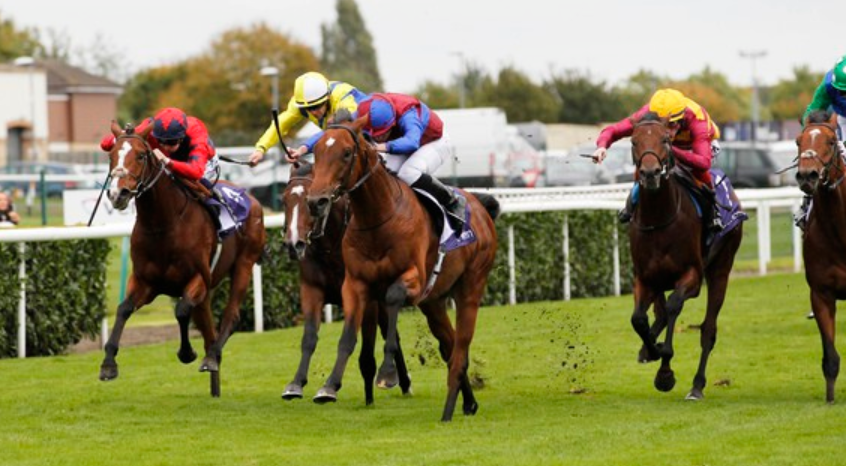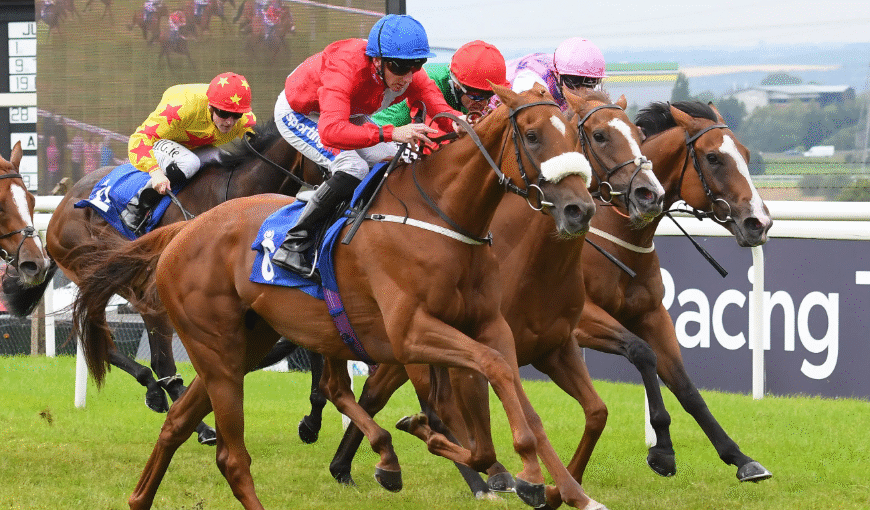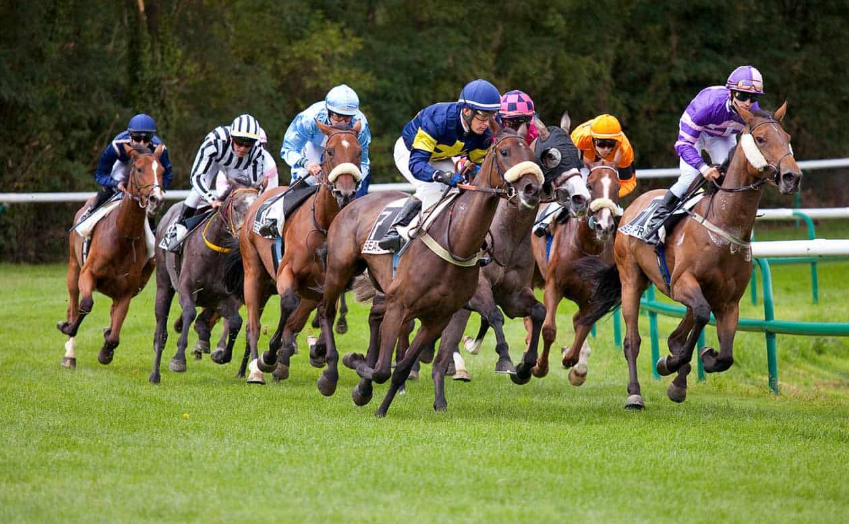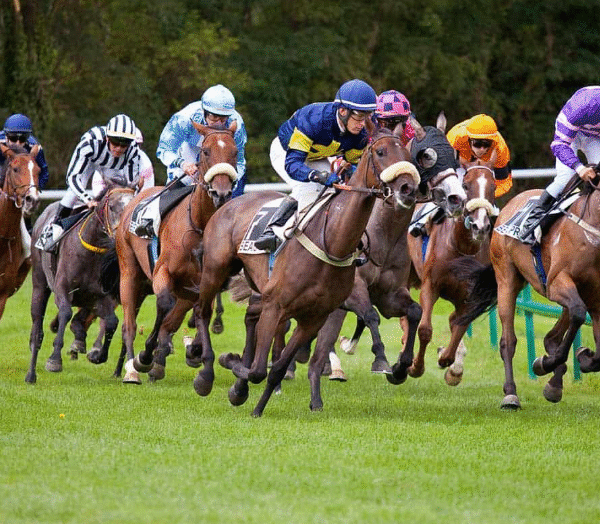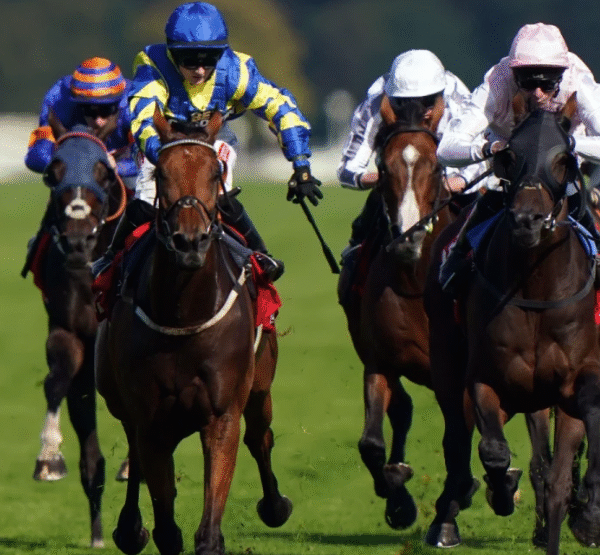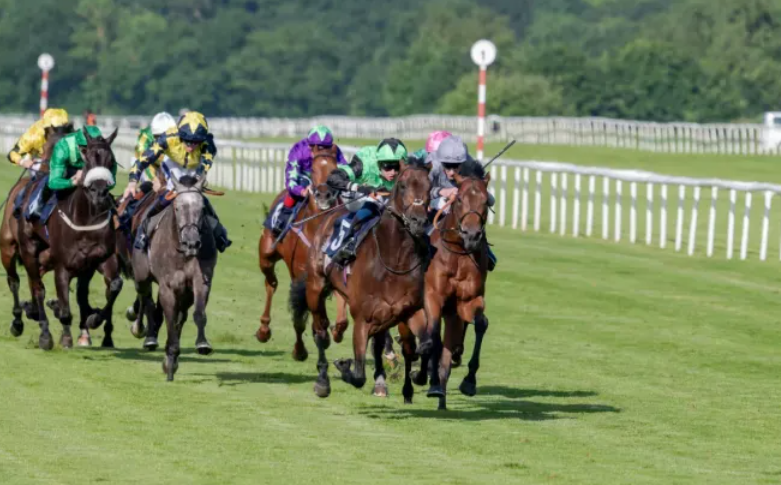
Horses acquire racing patterns through a multifaceted learning process. Their experience enables them to adapt strategies based on previous races. They also respond to cues from jockeys and their surroundings, which enhances their agility. Reinforcement techniques play a crucial role in shaping behavior. Additionally, social interactions with other horses contribute to their understanding of speed and tactics. This complex interplay raises questions about the most effective training methods and their long-term impact on performance.
The Role of Experience in Racing Performance
Although experience is often considered a crucial factor in many competitive sports, its significance in horse racing is particularly pronounced.
Performance analysis reveals that seasoned horses develop sophisticated race strategies, drawing from previous encounters to navigate varied conditions. This accumulated knowledge enhances their ability to respond to challenges, ultimately influencing race outcomes.
Thus, experience emerges as a vital component in optimizing racing performance.
See also: How Horses Learn Complex Cues
Understanding Cues and Signals
Horses possess an impressive ability to interpret cues and signals from their environment and their jockeys, which significantly influences their racing performance.
Through cues recognition, they learn to respond to subtle changes in body language and voice commands.
Effective signal interpretation enhances their understanding of race dynamics, enabling them to make quick decisions that optimize their speed and agility on the track.
The Impact of Reinforcement Techniques
Reinforcement techniques play a crucial role in shaping a horse’s racing performance and behavior on the track.
Positive reinforcement, such as rewards or praise, encourages desired behaviors, enhancing motivation and speed.
Conversely, negative reinforcement, which involves the removal of unpleasant stimuli, helps horses associate racing with relief from discomfort.
Together, these techniques foster an environment where horses can thrive, ultimately improving their racing patterns.
Social Learning and Interaction in Training
Numerous studies indicate that social learning plays a significant role in the training of racehorses, influencing their ability to adapt to various racing patterns.
Through peer observation, horses learn from one another, enhancing their understanding of speed and strategy.
Group dynamics further facilitate this process, as interactions among horses create an environment conducive to learning, ultimately refining their racing proficiency and performance.
Conclusion
In the intricate ballet of horse racing, experience serves as the guiding compass, directing each hoofbeat along the track. Cues from jockeys act as whispers of strategy, while reinforcement techniques sculpt behavior like a potter molding clay. Social interactions among horses create a dynamic tapestry of learning, where agility and tactics intertwine. Collectively, these elements forge a seamless connection between instinct and intellect, culminating in a performance that is both artful and precise, echoing the essence of nature’s design.