Horses exhibit remarkable cognitive abilities that enable them to learn complex cues from their environment. Observing their interactions reveals a nuanced understanding of body language and subtle signals. Consistency in training practices plays a crucial role in reinforcing these learned behaviors. Furthermore, the implementation of positive reinforcement fosters a deeper connection between horse and handler. This intricate relationship raises questions about the extent of equine intelligence and the potential for deeper communication. What lies beyond these initial insights?
The Cognitive Abilities of Horses
Horses possess remarkable cognitive abilities that enable them to interpret complex cues from their environment and handlers.
Their impressive memory retention allows them to recall past experiences, aiding in effective problem solving.
This capacity not only enhances their interactions but also fosters a deeper connection with humans, illustrating that these majestic creatures thrive when engaged in meaningful, respectful exchanges that honor their innate intelligence and freedom.
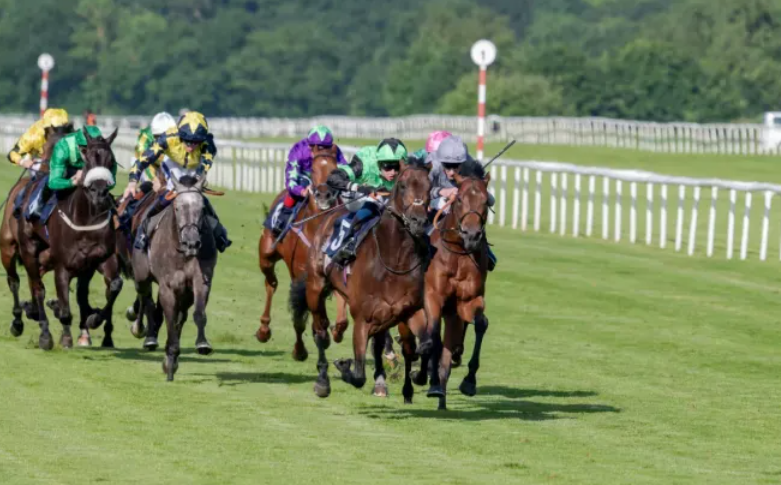
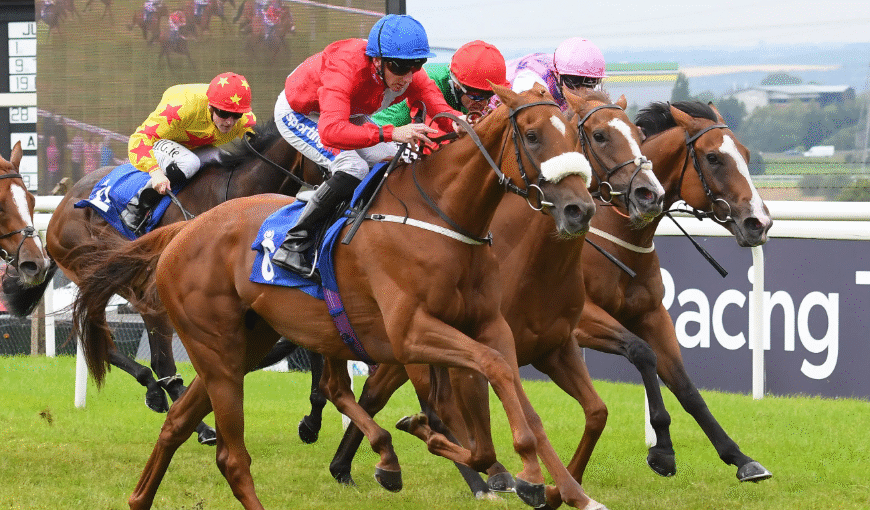
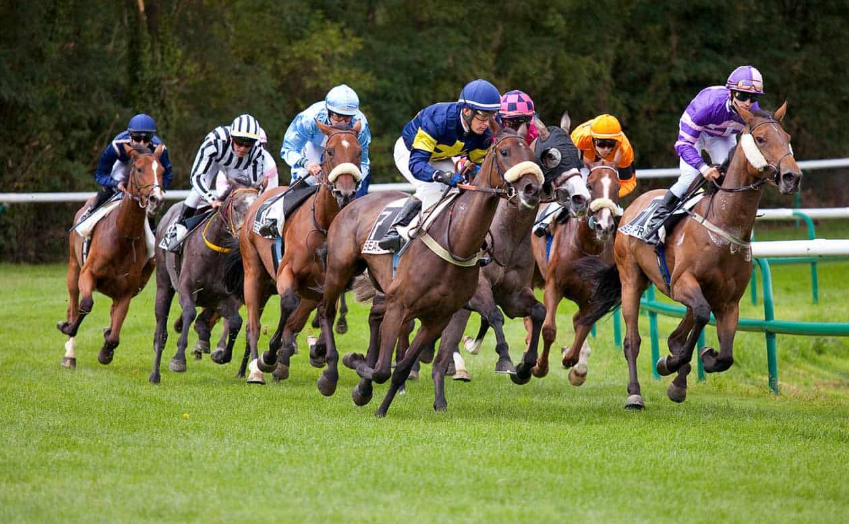
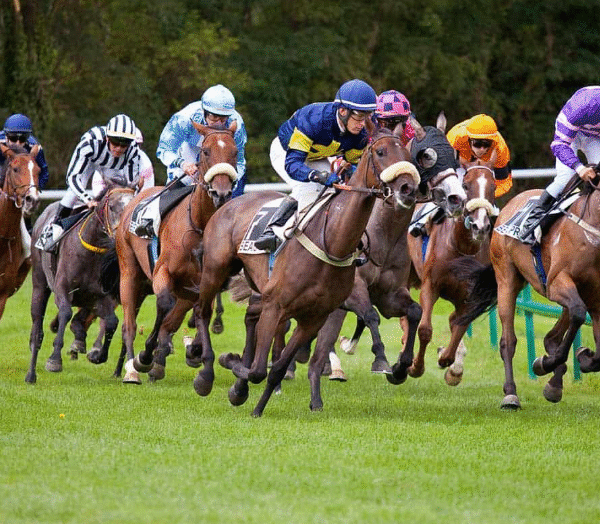
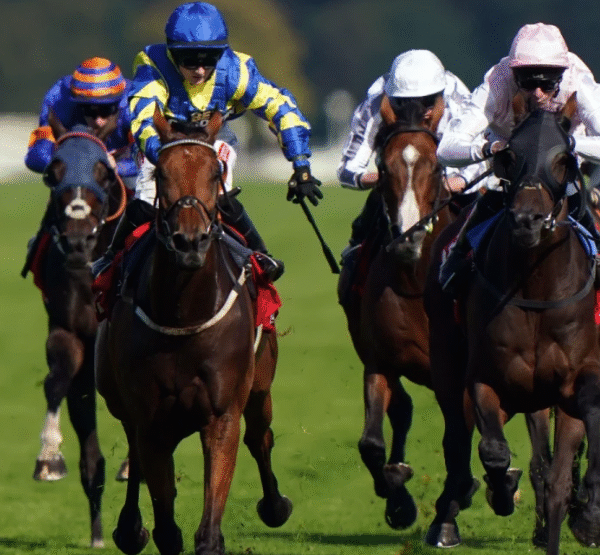
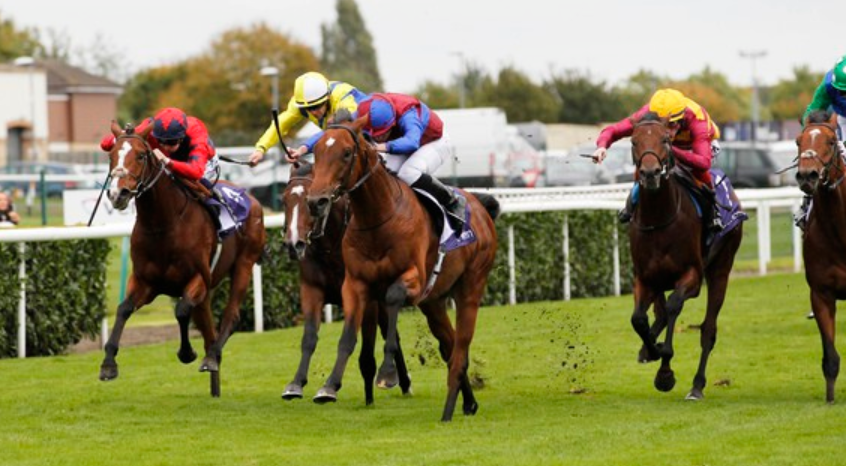
See also: How Horses Handle Crowded Races
Understanding Equine Body Language
Effective communication between horses and humans hinges on an understanding of equine body language, which serves as a vital component of their interactions.
Observing body signals, such as ear positioning and tail movement, reveals a horse’s emotional state. Recognizing these cues enhances equine communication, fostering a deeper bond.
Empathy towards their non-verbal expressions promotes a more harmonious relationship, allowing for greater mutual freedom.
The Role of Consistency in Training
When trainers employ consistent cues and responses during training sessions, they set the groundwork for clearer communication and understanding between themselves and the horses.
This consistency enhances cue clarity, allowing horses to grasp complex training methods more effectively.
As trainers remain steadfast in their approaches, they foster an environment where horses can thrive, ultimately leading to a more harmonious partnership built on trust and respect.
Positive Reinforcement and Learning
Utilizing positive reinforcement transforms the training landscape for horses, creating an environment where learning flourishes.
Clicker training exemplifies this approach, emphasizing precise reward timing to enhance understanding. By associating desired behaviors with immediate rewards, horses become more engaged and motivated.
This method fosters trust and communication, allowing for a deeper bond, ultimately promoting a sense of freedom in both horse and handler.
Conclusion
In observing the intricate ways horses learn complex cues, it becomes evident that their cognitive abilities and social instincts mirror those of humans in their formative years. Just as a child grasps language through consistent interactions and encouragement, horses thrive under the same principles. This shared journey of understanding emphasizes the timeless bond between species, akin to a dance where both partners must be attuned to one another. Ultimately, empathy and patience remain the cornerstones of effective communication in this unique partnership.